
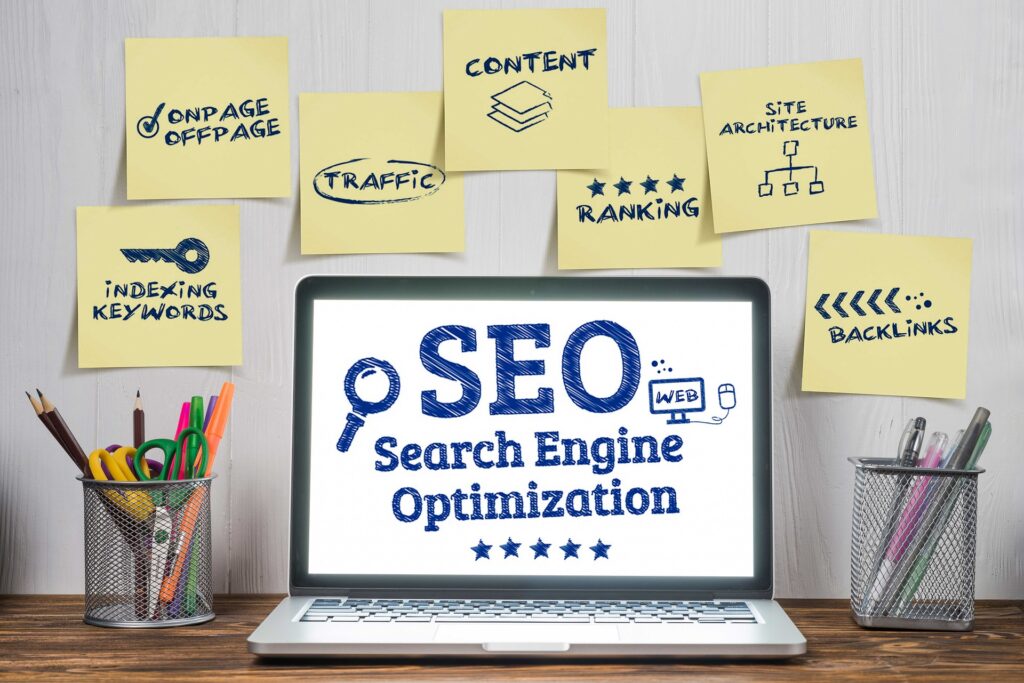
Beginner's Guide to SEO for First-Time Website Owners
Introduction
Launching your first website is exciting, but visibility doesn’t happen automatically. This beginner’s guide to SEO for first-time website owners walks you through the fundamentals of getting found on Google—without needing a technical background. Whether you’re running a blog, an online store, or a portfolio, understanding a few core SEO principles can be the difference between a site nobody sees and one that steadily attracts visitors. Below, we’ll cover keyword research, on-page optimization, link building, technical basics, and how to track your progress.
What Is a Beginner's Guide to SEO for First-Time Website Owners Care?
SEO, or Search Engine Optimization, is the process of improving a website so search engines can understand it, trust it, and rank it higher for relevant searches. For first-time website owners, SEO often gets pushed aside in favor of design and content creation. That’s understandable, but it’s also a missed opportunity—a beautiful website with zero visibility won’t generate traffic, leads, or sales. The good news is that SEO doesn’t require advanced technical skills, just consistency and a grasp of a few core principles.
Step 1: Understand Keyword Research
Before writing a single page of content, it helps to know what your audience is actually searching for. Keyword research is the process of identifying words and phrases people type into search engines related to your niche.
Finding the Right Keywords
Free tools like Google Keyword Planner and Ubersuggest let you check search volume and competition for specific terms. As a beginner, aim for “long-tail keywords”—phrases of three or more words, such as “handmade leather wallets for men” instead of just “wallets.” These are easier to rank for and often attract more qualified visitors.
Step 2: Optimize Your On-Page SEO
On-page SEO refers to everything you can control directly on your website’s pages, and it’s where beginners can make the fastest improvements.
Title Tags and Meta Descriptions
Each page should have a unique, descriptive title with your target keyword near the beginning, plus a meta description (roughly 150–160 characters) that encourages clicks from search results.
Headings and Content Quality
Use one H1 per page for your main title, and H2s or H3s to organize sections logically. Write clearly, answer the questions your audience is actually asking, and avoid stuffing keywords unnaturally.
URLs and Image Alt Text
Keep URLs short and descriptive, like `/beginners-guide-seo`, and add descriptive alt text to every image—for example, “beginner’s guide to SEO checklist for new website owners”—so search engines and screen readers can understand it.
Step 3: Build Internal and External Links
Links play a bigger role in SEO than most new website owners realize. “Internal links”connect pages within your own site, such as linking this article to [our on-page SEO checklist](/on-page-seo-checklist), helping search engines understand how your content fits together. “External (outbound) links” point to reputable sources, like [Moz’s SEO Learning Center](https://moz.com/learn/seo), signaling that your content is well-researched. “Backlinks”—links from other sites pointing to yours—act like votes of confidence, and you can start earning them through guest posting or creating content others want to reference.
Step 4: Don’t Ignore Technical SEO
Technical SEO ensures search engines can crawl and index your site properly. Key basics include fast load times (checked via Google PageSpeed Insights), mobile-friendliness, HTTPS security, and an XML sitemap submitted through [Google Search Console](https://search.google.com/search-console/about).
Step 5: Track Your Progress
SEO isn’t something you set once and forget. Use free tools like Google Search Console and Google Analytics to monitor which pages are ranking, which keywords drive traffic, and where visitors drop off—then refine your strategy monthly based on what you find.
Conclusion
This “beginner’s guide to SEO for first-time website owners” covers the essentials: keyword research, on-page optimization, link building, and the technical basics that keep everything running smoothly. SEO results don’t happen overnight, but with consistent effort, your website will steadily become more visible to the people searching for exactly what you offer. Start small, stay patient, and build on these fundamentals as your site grows.

Frequently Asked Questions
How long does it take to see SEO results?
Most websites start seeing measurable movement in rankings after three to six months of consistent effort, though this varies by competition and niche.
Do I need to hire an SEO expert as a beginner?
Not necessarily. The fundamentals covered in this guide—keyword research, on-page optimization, and basic link building—can be handled by most first-time website owners without outside help.
What's the difference between on-page and off-page SEO?
On-page SEO covers elements you control directly on your site, like titles and content. Off-page SEO involves external factors, primarily backlinks from other websites.
How many keywords should I target per page?
Focus on one primary keyword per page, supported by a few related terms and synonyms, rather than trying to rank for many unrelated keywords at once.
Is SEO still worth it with paid ads available?
Yes. Paid ads stop generating traffic the moment you stop paying, while SEO builds long-term, sustainable visibility that continues working over time.