
In today’s eco-conscious world,Products made from bamboo fiber and sugarcane bagasse are gaining attention as powerful alternatives to plastic and synthetic materials. These natural resources are renewable, biodegradable, and environmentally friendly, making them ideal for sustainable product manufacturing. As industries and consumers shift toward greener choices, both materials are playing an important role in reducing environmental impact.
Benefits of Products Made from Bamboo Fiber
Products made from bamboo fiber are becoming popular because they are eco-friendly, sustainable, and safe for everyday use. Bamboo is a fast-growing plant that requires very little water and no harmful chemicals, making it a renewable resource. Products made from bamboo fiber help reduce environmental pollution by replacing plastic and other non-biodegradable materials.
One of the major benefits of bamboo fiber products is that they are biodegradable and environmentally friendly. Unlike plastic products, bamboo fiber items naturally break down over time and do not harm the environment. This makes them a great choice for people who want to adopt a more sustainable lifestyle.
What is Bamboo Fiber?
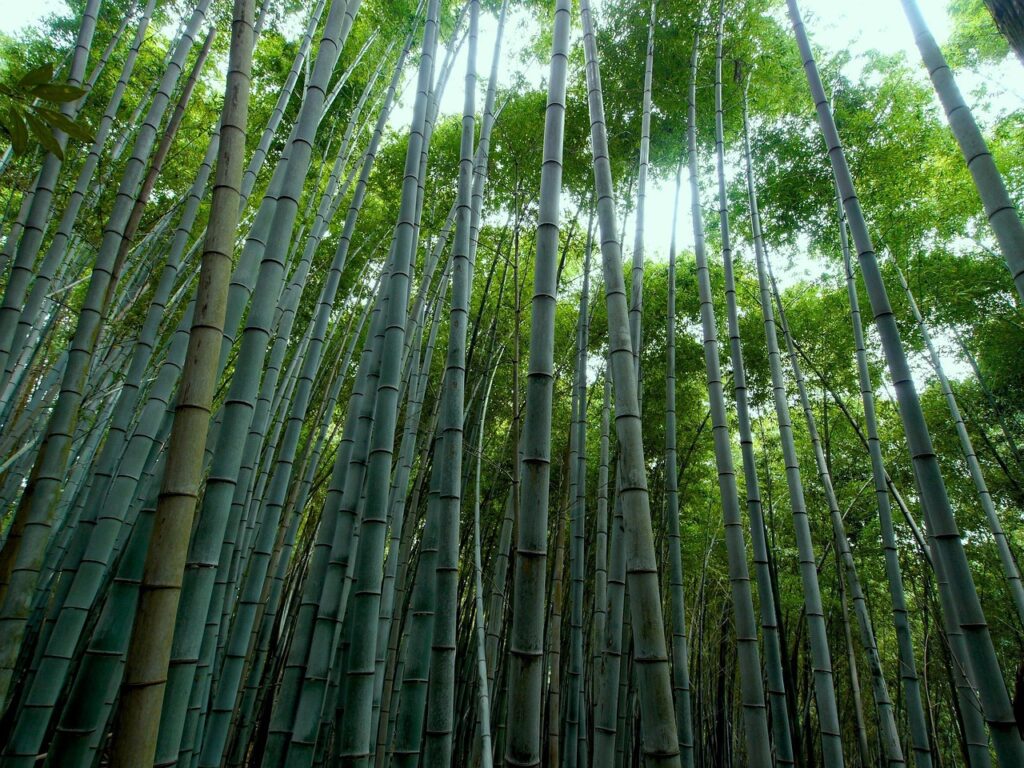
Bamboo fiber is a natural textile material derived from the pulp of bamboo plants. Bamboo grows rapidly without the need for pesticides or excessive water, making it one of the most sustainable raw materials available. The fiber produced from bamboo is soft, breathable, and durable, which is why it is widely used in textiles, kitchen products, and eco-friendly packaging.
Another major advantage of bamboo fiber is its antibacterial and moisture-absorbing properties. Products are lightweight yet strong, and they decompose naturally without harming the environment. Because bamboo regenerates quickly after harvesting, it supports continuous and sustainable production.
What is Sugarcane Bagasse?
Sugarcane bagasse is the dry fibrous residue left after extracting juice from sugarcane stalks. Instead of being discarded as agricultural waste, bagasse is now widely used to manufacture biodegradable plates, bowls, cups, and food containers. This makes it an excellent example of waste-to-wealth innovation.
Bagasse products are heat-resistant, sturdy, and compostable. They can handle hot and cold foods without leaking or losing shape. Since bagasse is a by-product of the sugar industry, using it helps reduce waste while creating eco-friendly alternatives to plastic and Styrofoam products.
Key Benefits of Bamboo Fiber and Sugarcane Bagasse
Both materials offer significant environmental and practical advantages. They are biodegradable and compostable, which helps reduce landfill waste. They are also made from renewable resources, ensuring long-term sustainability. Additionally, products made from bamboo fiber and bagasse are non-toxic, food-safe, and suitable for everyday use.
From a business perspective, the global demand for eco-friendly products is rising rapidly. Many reports indicate that the sustainable packaging market is growing at over 6% annually, driven by increasing environmental awareness and government regulations against single-use plastics.
Common Uses in Daily Life
Bamboo fiber is commonly used in kitchenware, toothbrushes, textiles, and reusable containers. Its smooth texture and durability make it popular in home and lifestyle products. Sugarcane bagasse, on the other hand, is widely used in disposable food packaging such as plates, takeaway boxes, and catering supplies.
Restaurants, food delivery services, and event organizers are increasingly switching to bagasse products to meet sustainability goals and comply with plastic bans in many regions.
Conclusion
Bamboo fiber and sugarcane bagasse represent the future of sustainable materials. By transforming fast-growing plants and agricultural waste into useful products, they help reduce plastic pollution and support a circular economy. As awareness continues to grow, adopting products made from these materials is a simple yet powerful step toward a cleaner and greener planet.
1. What are products made from bamboo fiber and sugarcane bagasse?
Products made from bamboo and sugarcane bagasse are eco-friendly items created from natural plant materials. These materials are biodegradable and are commonly used to produce plates, bowls, cups, food containers, and packaging products.
2. Why are bamboo fiber and sugarcane bagasse products considered eco-friendly?
Bamboo fiber and sugarcane bagasse products are considered eco-friendly because they are made from renewable resources. They naturally decompose over time and help reduce plastic waste and environmental pollution.
3. What are the common uses of bamboo fiber and bagasse products?
These materials are widely used to manufacture disposable plates, takeaway containers, cups, food packaging, cutlery, and other sustainable household items.
4. Are bamboo fiber and sugarcane bagasse products biodegradable?
Yes, products made from bamboo and sugarcane bagasse are biodegradable. They break down naturally in the environment, making them a better alternative to plastic products.